August 21, 2026


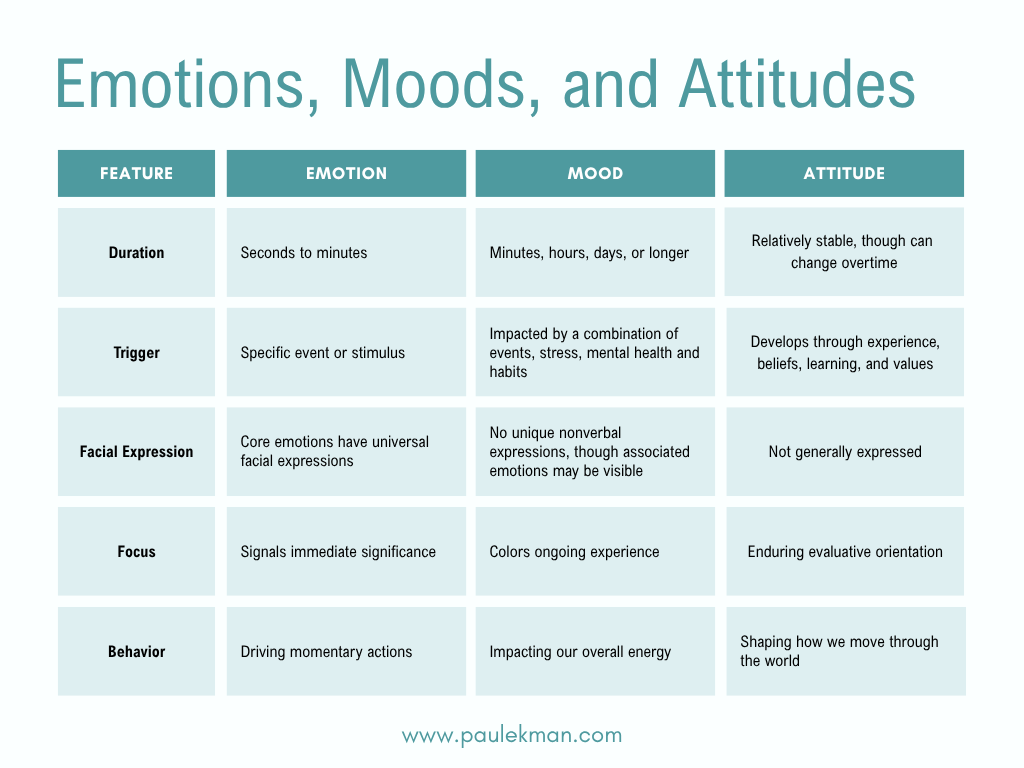
While it often feels good to act compassionately, compassion is distinct from other universal emotions. Understanding how compassion differs from emotion helps clarify why it matters so deeply, and why cultivating it is both possible and necessary.
Unlike emotions, which can arise from many different triggers and serve many different functions, compassion is focused on one thing only: suffering and the aim to reduce it.
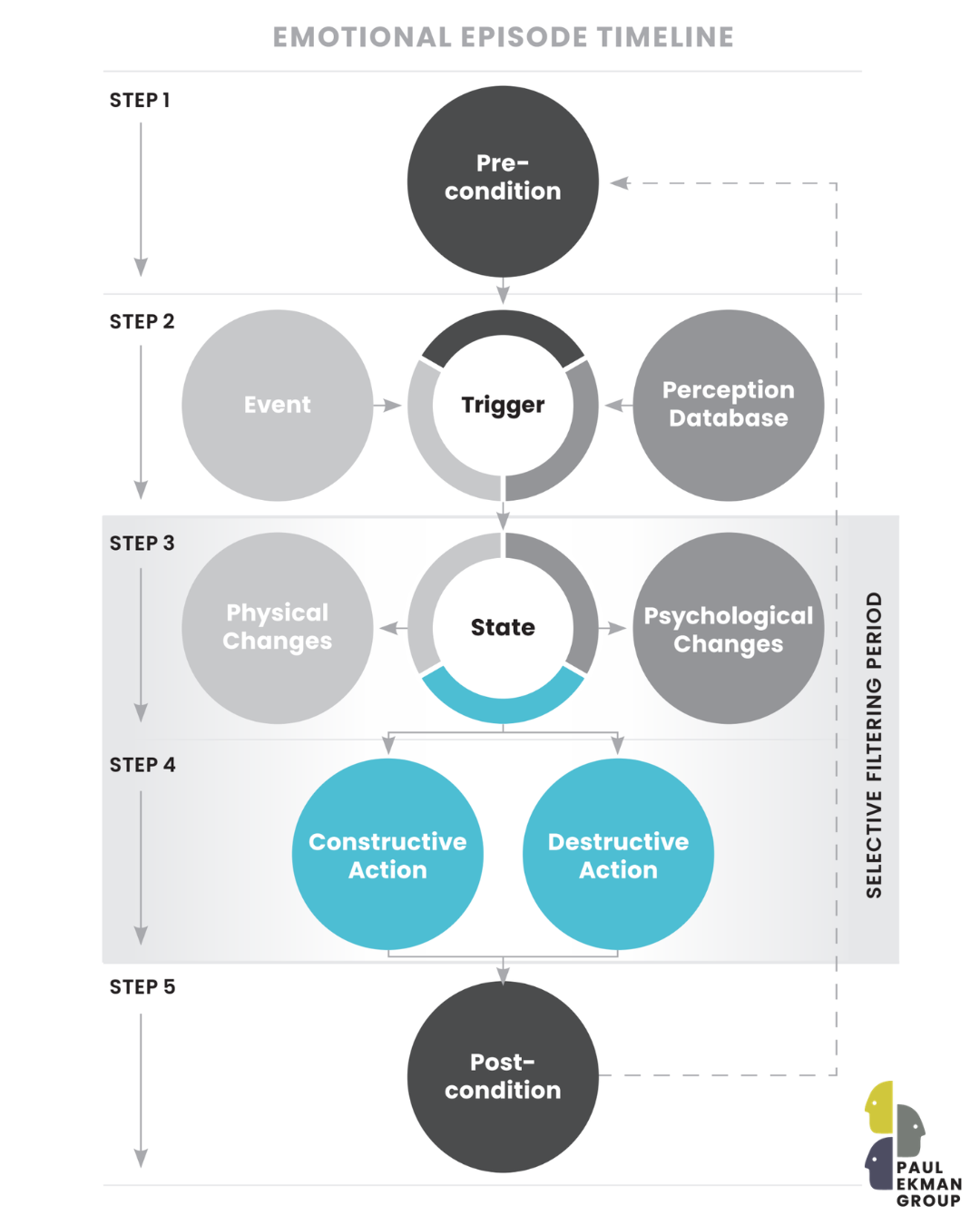
Compassion arises when we encounter suffering and feel motivated to prevent it or relieve it. This psychological definition of compassion highlights a more narrow focus that differs fundamentally from emotion. Emotions can be constructive or destructive. Compassion, by definition, is always constructive. Its intention is never to harm, only to reduce suffering.
1. Familial Compassion: The Evolutionary Drive
One form of compassion is familial compassion: the compassion we feel for our children and close kin. This type of compassion is not learned. It is an involuntary biological drive built into our species.
If a parent instinctively runs into the street to save a child from being hit by a car, there is no deliberation involved. There is no choice. It happens automatically. If asked afterward, “Why did you risk your life?” The only honest answer is: I had to.
The evolutionary roots of familial compassion show that it is universal, and not unique to humans. We see it in other primates as well. Human beings, however, have the longest period of dependency of any species on the planet. That long childhood allows for extraordinary learning and adaptation, and it also requires an equally strong, built-in drive to protect offspring from harm.
Importantly, much of parental compassion is preventive, not reactive. When a parent insists that a child wear a helmet while riding a bike, the child is not suffering in that moment. The parent is acting cognitively to prevent suffering before it occurs. Most parenting compassion operates this way: not just relieving pain, but anticipating and preventing it.
2. Stranger Compassion: A Deliberate Choice
Unlike familial compassion, compassion for strangers is not involuntary, it is deliberate.
When someone donates money to victims of a natural disaster, volunteers in a refugee camp, or helps a person they will never meet again, that action is not automatic. It is a choice. The person could have done nothing, as many people do.
Stranger compassion is not universal. Even in societies with high levels of charitable giving and volunteerism, it is far from something everyone practices. Yet if compassion toward strangers were universal, the world would look very different.
This is another reason compassion is not simply an emotion. Emotions are a part of everyone’s experience. Stranger compassion is something we decide to cultivate.
3. Sentient Compassion: The Broadest Circle
There is an even broader form of compassion: sentient compassion.
This is the concern for the suffering of all sentient beings (all beings capable of feeling). Buddhist traditions describe this as a central practice, and Charles Darwin referred to it as humanity’s highest virtue.
Sentient compassion does not prioritize one species over another. It extends equally to all beings that have feelings and can suffer. Very few people naturally experience compassion at this level without training or sustained practice, but some do and history shows us that it is possible.
Human beings universally experience emotions like fear, anger, joy, and sadness. That shared emotional foundation means we are capable of empathy for one another. But capability does not guarantee expression.
For many of us, empathy is sometimes restricted to people who look like us, live near us, share our values, or belong to our immediate family. The moral task before us is to widen that circle: to extend empathy and compassion to all.
At the same time, this expansion comes with a challenge. Modern life exposes us to more suffering than any human being encountered in our ancestral environment. An hour of news can overwhelm us with images of pain we cannot personally relieve.
Understanding compassion as something distinct from emotion helps us see why it can be strengthened through intention, training, and practice. Familial compassion may be automatic, but stranger and sentient compassion are not. They are capacities we can grow.
And in a world where suffering is both global and visible, learning how to extend compassion, without shutting down or burning out, may be one of the most important skills we can develop.
August 21, 2026
June 8, 2026