Professional Development for Educators and Academics
PROFESSIONAL DEVELOPMENT FOR EDUCATORS AND ACADEMICS
Dr. Ekman’s research and resources are a cornerstone of professional development for educators, teachers, academics, researchers, special education instructors, and school counselors.
DISCOVER DR. EKMAN'S TRANSFORMATIVE TRAININGS AND WORKSHOPS
Help students learn the communicative value of nonverbal information
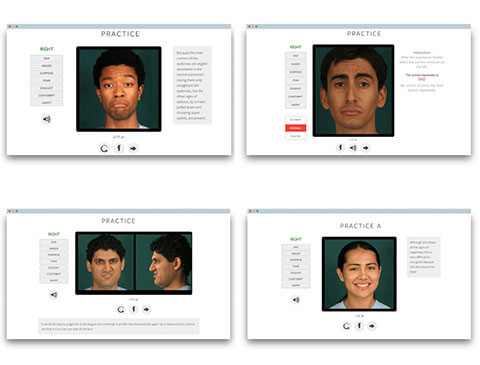
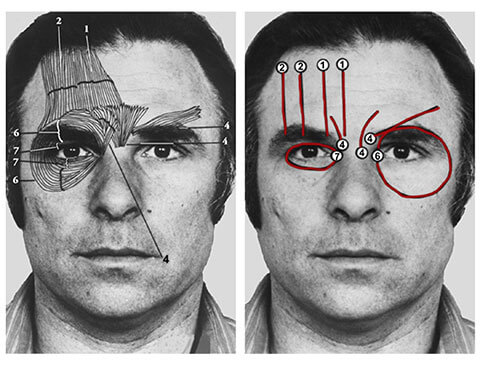
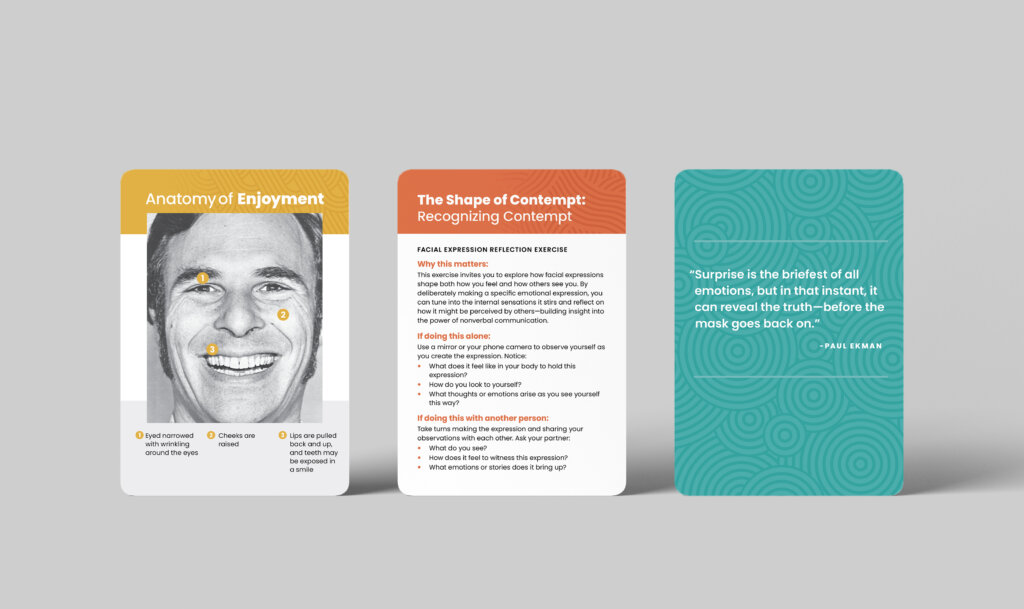
Assist students with identifying their own emotions and the emotions of others by identifying key features of facial movement
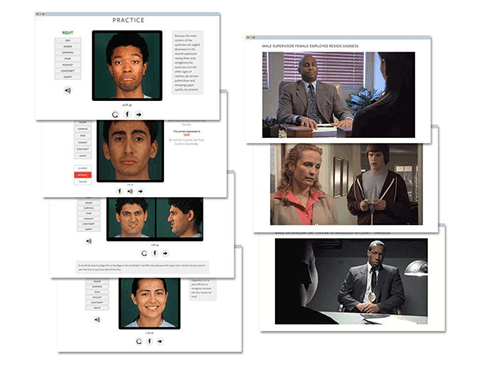
Practice appropriate responses to emotions evoked in everyday scenarios
Increase sensitivity to students’ emotional triggers and subtle reactions for earlier, more attuned interventions
Provide qualitative and quantitative feedback to parents and caregivers
Gain skills to help prevent burnout and support your own emotional balance
RECCOMENDED RESOURCES
EKMAN LIBRARY
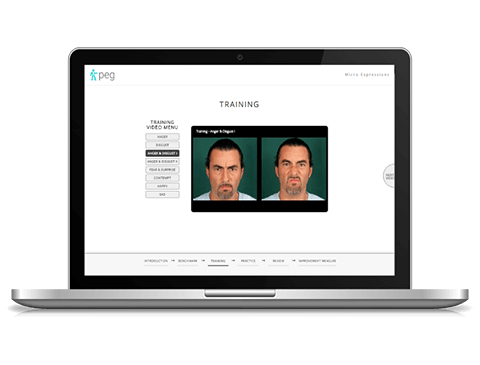
Complete collection of online training tools to help read micro and subtle expressions plus tools to help you respond to the emotions you detect in other people.
Online and in-person course combining wisdom traditions, contemplative sciences, modern psychology, and scientific emotion research to help you balance your emotional life and find greater joy.
Bulk purchases for classroom use and department-wide training is now available! Get in touch with a Paul Ekman Group associate today at custserv@paulekman.com
WHAT OTHER EDUCATORS AND ACADEMICS ARE SAYING
"I teach classes, and it is critical to see what is happening in their heads. This training helped me see a whole new level of communication coming from my classes. Thank you!"
"I use this for my personal education as well as for my work as an occupational therapist to help kids on the autism spectrum…Understanding emotions are one of the foundational components of social cognition and communication. Using Face Basics is useful for expanding these kids' skill sets with best version of isolated facial expressions I've found!”
"This training is a must-have and should be taught more generally to university students."
"Super powerful tools to use and learn from. I have a better understanding of myself and others from this—to spot people's real emotions and to understand my own from being mindful of the expressions."
"It is very useful in my career. Not only in therapy but in the teaching process as well."