FACS vs. F.A.C.E
The differences between FACS and F.A.C.E. training
FACS
(Facial Action Coding System)
FACS is a research tool useful for measuring any facial expression a human being can make. As you may or may not already know, FACS is an anatomically-based system for exhaustively describing all observable facial movement. Each observable component of facial movement is called an action unit or AU. All facial expressions can be decomposed into their constituent AUs. The manual describes the criteria for observing and coding each AU and describes how AUs appear in combinations. The CD-based manual (2002) is an exhaustive description of facial behavior in terms of AUs and their combinations.
Since its first publication in 1978 by Ekman & Friesen, the FACS manual has been designed to be self-instructional. That is, people would read the manual, do practice coding with video images, and eventually take a final test for certification. Typically, this self-instruction takes about 100 hours, but frequently more, and many people take months to complete the training. Ekman has always recommended training in groups, and those of us researchers who trained with him have often encouraged our students to learn in groups. As the manual is long and tedious, many people benefit from interaction with others in learning the material.
To contact Dr. Erika Rosenberg for more information click here.
F.A.C.E
(Facial Expression.Awareness.Compassion.Emotions.)
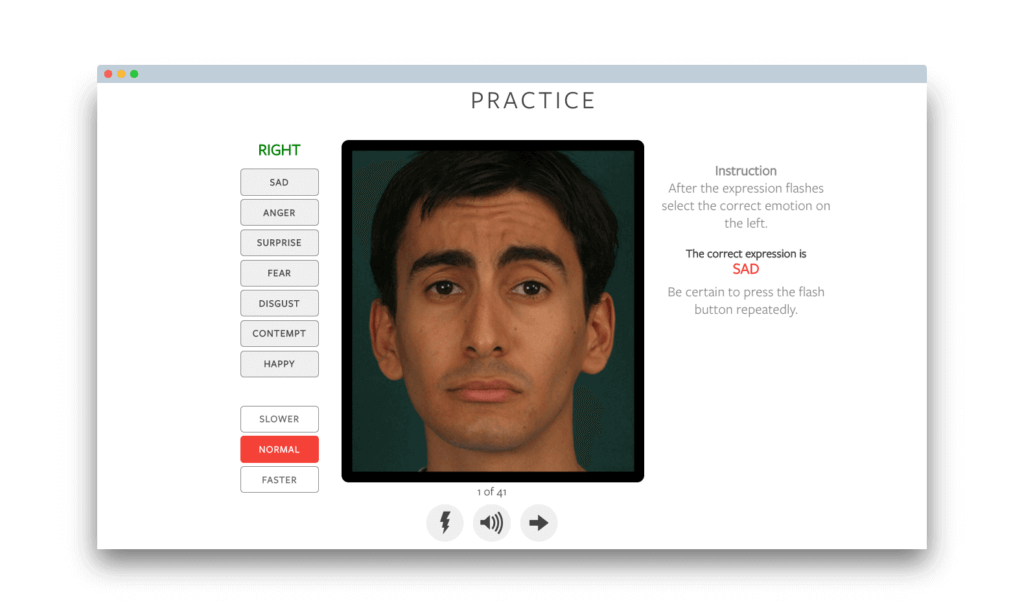
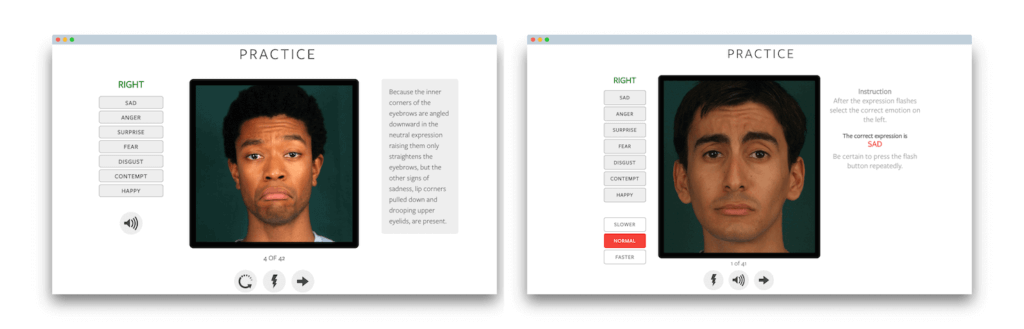
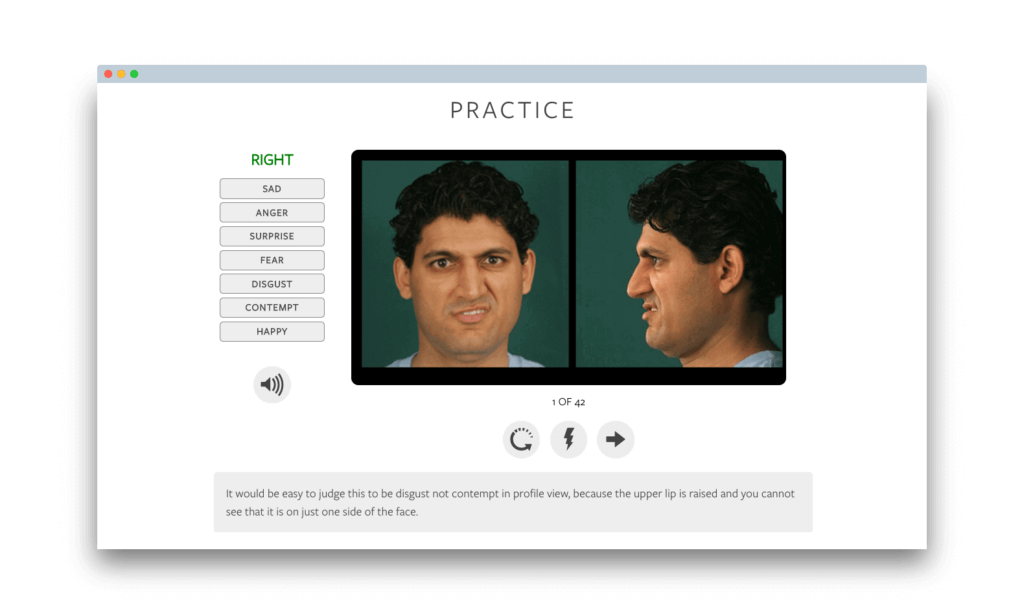
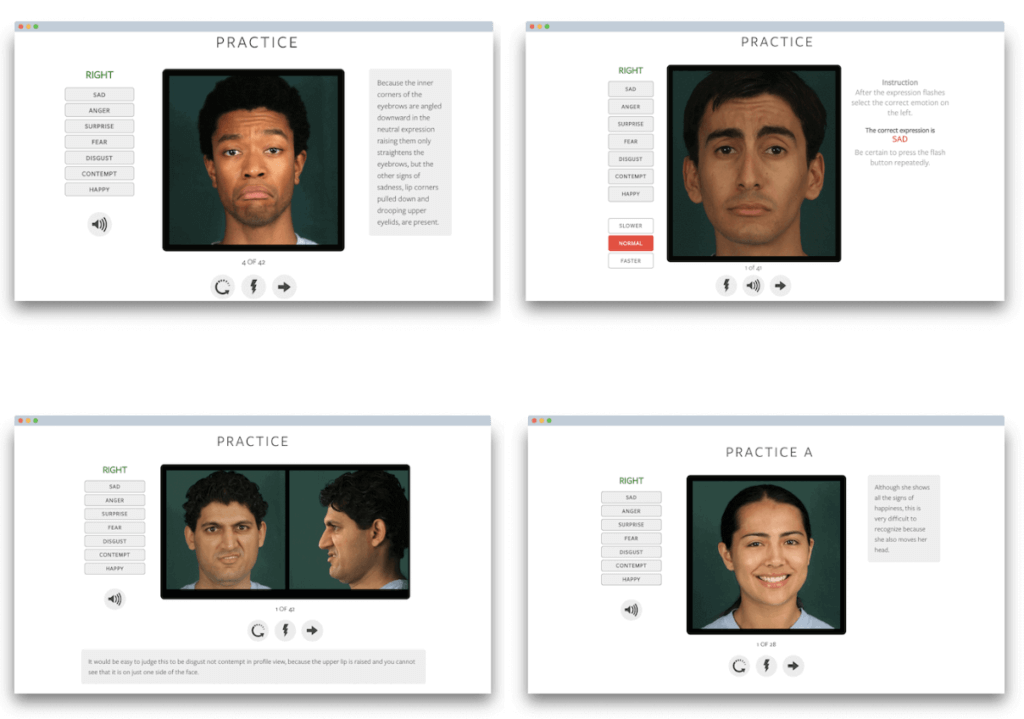
F.A.C.E. provides information about how to learn to recognize signs of emotion in the face. The Micro Expression Training Tool (METT) teaches recognition of concealed emotions through two kinds of training. This first kind of training is in slowed motion. It compares and contrasts the emotions that are most often confused with each other – anger and disgust, fear and surprise, fear and sadness, — with a commentary about just how each pair of emotions differ, which can be used at this slow speed to benefit people with aspergers or autism. The second kind of training METT provides is practice in recognizing micros. In each practice item a different person appears. He or she first shows no expression; then, suddenly a facial expression of one of seven emotions appears very briefly, immediately returning back to the expressionless face. After each quickly flashed expression the learners must choose which of the seven emotions was displayed: anger, fear, disgust, contempt, sadness, surprise or happiness.
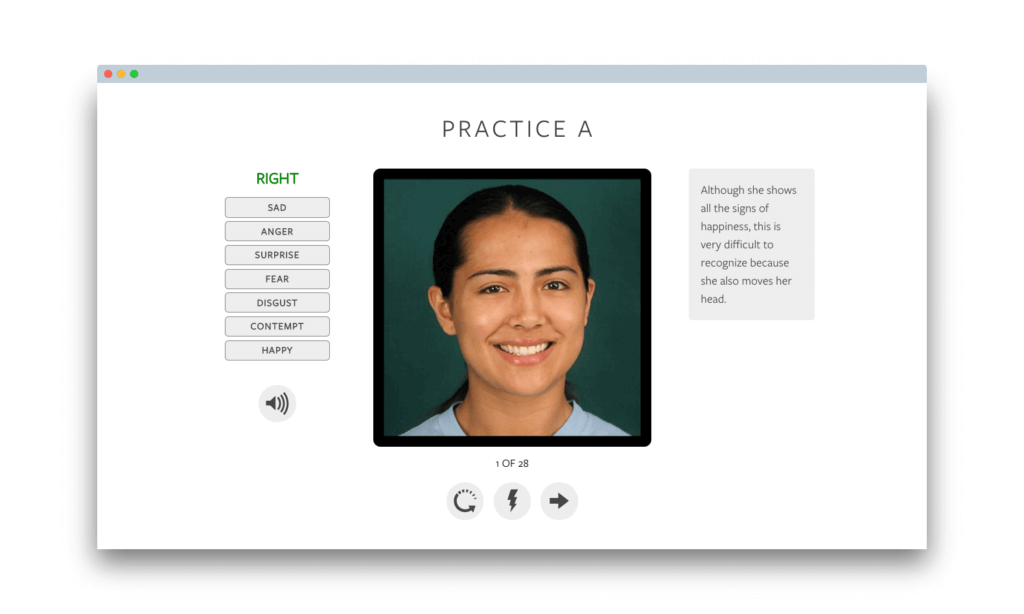
The Subtle Expression Training Tool (SETT) teaches recognition of very small, micro signs of emotion. These are very tiny expressions, sometimes registering in only part of the face, or when the expression is shown across the entire face, but is very small. Subtle expressions occur for many reasons. The emotion experienced may be very slight ; they also occur when an emotion is just beginning, becoming larger if it is felt strongly. Mini expressions also may occur when strong emotions are felt but are being actively suppressed and all that leaks out is a fragment of the full expression. Dr. Ekman developed this training tool which increases people’s ability to spot these tiny signals.
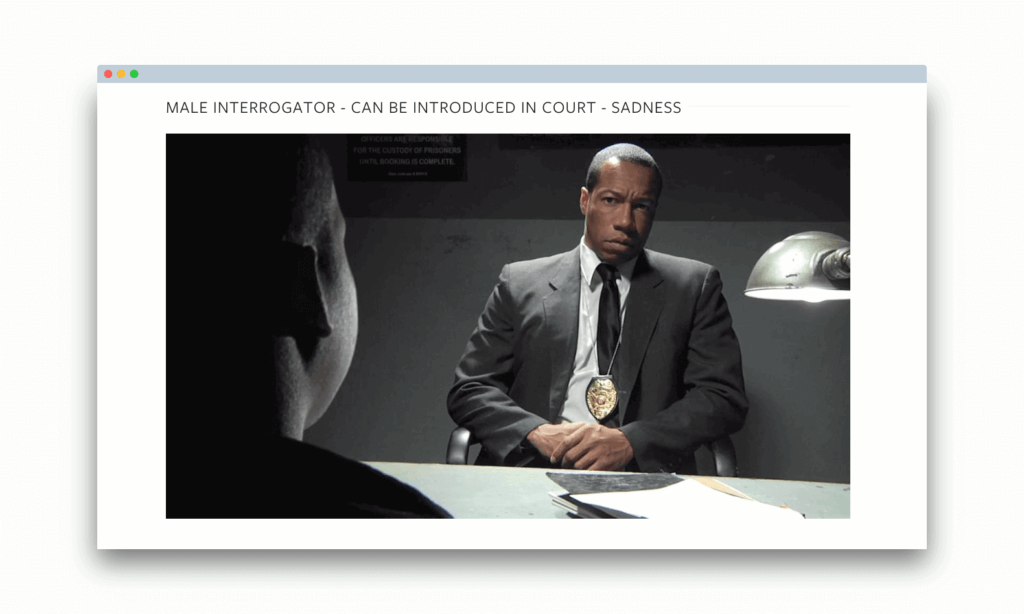
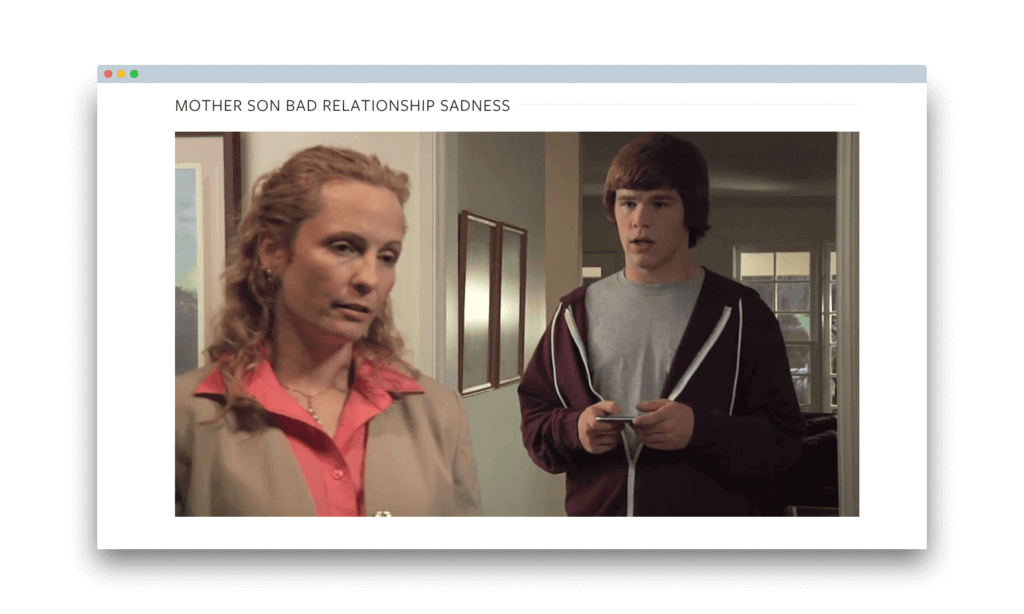
METT and SETT have been shown to increase accuracy in evaluating truthfullness. Click here to jump to our F.A.C.E. training site and to learn more about METT and SETT.